Showing posts with label #sun. Show all posts

24.8.16

Sunday Funday Backflips

It's not all work and no play! Sometimes Sunday-Funday means pleasure diving in new places. Sometimes it means doing backflips off the boat.


Sometimes it means making fun little videos.


Please wait for the video to load to check it out!


If you want to help with any marine conservation activity, please 
check our website http://tracc.org or e-mail info@tracc-borneo.org 

For more updates on TRACC check out our Facebook, Twitter or Google +


Reef conservation would not be possible without generous financial support from
GEF /SGP for Malaysia who are helping our community activities and coralreefcare.com who generously provided materials to build the new reefs.


If visits to Tracc are not possible then please help with financial support and follow their projects on Facebook.

1.6.16

Coral Growth on the Bottle Reef

February 2016
Photo by Basil Bohn
Corals are the oldest animals on the ocean scene; some species have been studied to live 4,000 plus years.[1] Coral life begins as a free-swimming planula larva, who is carried by the ocean currents and drifts until it finds a suitable hard surface on which to attach. After successful attachment, if they are left undisturbed and ocean conditions are right, the coral will began to build a coral colony – secreting calcium carbonate into a wild mansion of natural architectural genius which can hold thousands of coral polyps in its rooms. In an ensuing symbiotic relationship, photosynthetic zooxanthellae algae will coat the surface of the coral colonies

Of the over 25,000 species of coral, 800 are hard coral. Slow growing and complex in their lifecycle, hard corals grow anywhere in between 5mm and 20cm a year. Out of these 800 plus species, about 250 are from the branching coral family of Acropora – a lovely family which displays their unique differences both boldly through
May 2016
Photo by Basil Bohn
bright colored tips and polyps, and subtly through slight slants of polyp bunching and pattern differences.

The TRACC ribbon reef is planted with a variety of these subtly distinctive Acropora corals.  Such as the Acropora parilis, the blue tipped and branching hard coral photographed here in February and again in early May. The growth and successful attachment is pleasantly and gratifyingly visible in the less than 3 month span of the two photos.

However, ocean lovers, divers and boat drivers beware – when trying to photograph again this week, we found our lovely coral animal in two. Saddened by the sight and the possibilities of lost life, I’ll be sure to be extra careful of the tread of my footsteps and the flap of my fins.

Growth of Acropora Coral Shown Through Overlay of Photos
Photo by Basil Bohn


--------------------------------------------------------------

If you want to help with any marine conservation activity, please 
check our website http://tracc.org or e-mail info@tracc-borneo.org 


For more updates on TRACC check out our Facebook, Twitter or Google +


Reef conservation would not be possible without generous financial support from
GEF /SGP for Malaysia who are helping our community activities and coralreefcare.com who generously provided materials to build the new reefs.

If visits to Tracc are not possible then please help with financial support and follow their projects on Facebook.

12.5.16

TRACC on TV!

Baki, Lark, Liam & Paul on Pom Pom
A simple request for some dive gear and a dive buddy may result in TRACC on TV!

Baki and the ATV crew came to Eastern Borneo to film the Bajau spear fishermen of the neighboring Island of Kalapuan, but stayed to film the work we do at TRACC. After borrowing some gear, Palten as dive buddy, and Liam as an extra hand for filming, and seeing what TRACC does, they decided to spend a day with us filming the work TRACC does with coral conservation and artificial reef.

At the end of the day after participating in coral planting and filming TRACC’s work, Baki left us with a few words….

“I’ve been to a lot of venues, I’ve been to Banggi, I’ve been to Tioman and they’ve done
The ATV Crew on Kalapuan
a lot of coral conservation, and I think this is the best effort I’ve seen. I’ve seen so much coral growing on the bottles. Because in the other places the percentage is what 10 – 20 percent of growth, but the reefs here are really growing. I think you guys are doing a really good job. Wow!”

Encouraging words for sure!

Thank you Baki and the channel 8 crew for spreading the word and work of TRACC!

The TV program, “Step Forward” featuring TRACC will air in October – check it out at www.tonton.com.my.


_________________________________________________________________________________


If you want to help with any marine conservation activity, please 
check our website http://tracc.org or e-mail info@tracc-borneo.org 


For more updates on TRACC check out our Facebook, Twitter or Google +


Reef conservation would not be possible without generous financial support from
GEF /SGP for Malaysia who are helping our community activities and coralreefcare.com who generously provided materials to build the new reefs.

If visits to Tracc are not possible then please help with financial support and follow their projects on Facebook.

6.5.16

Lobsters Release on the House Reef

Basil, Tom & Alana with the Lobsters
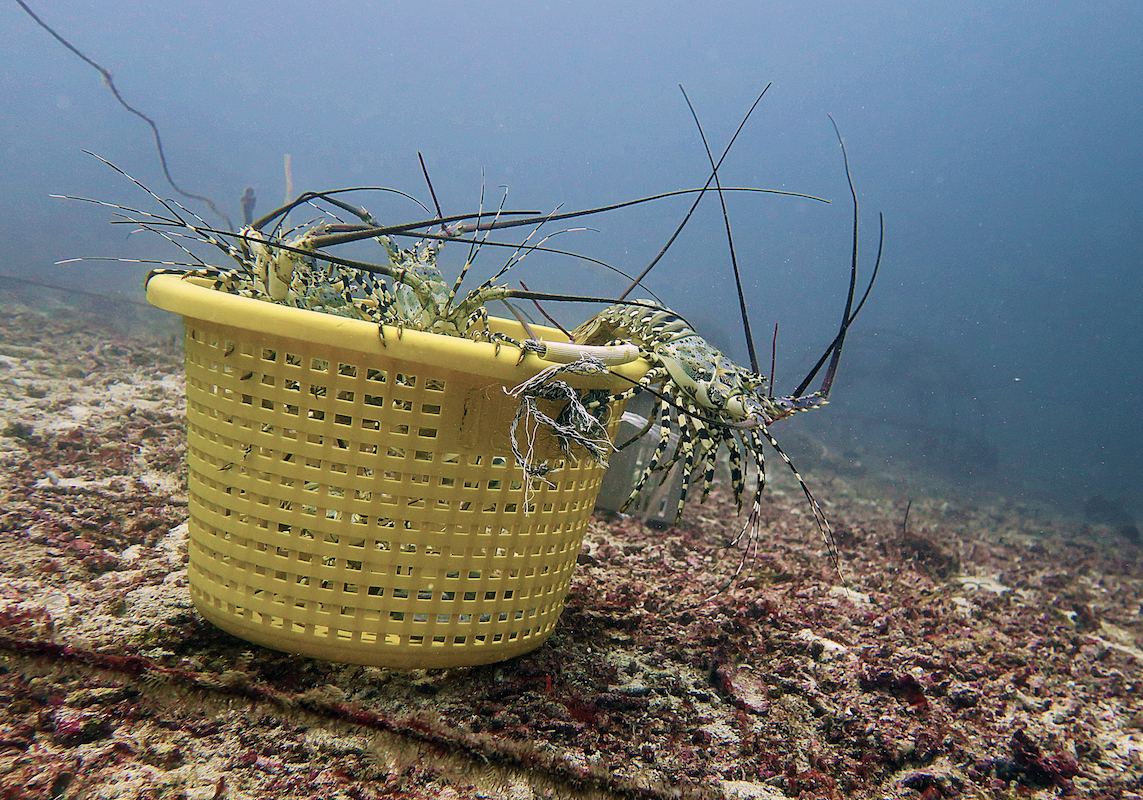
Releasing lobsters is a surprisingly slippery process. They squirm, wiggle, and slide from the grasp of the hand. But before the lobsters can be released onto TRACC’s House Reef, the lobsters must make it to Pom Pom Island – wrapped in newspaper, placed on ice, and snuggled into a cooler.

When the body temperature of a lobster drops the metabolism and heart rate slows, allowing lobsters to survive for 2-3 hours in a significantly cooled state and induces a kind of hibernation, which reduces the stress caused by transportation. When they arrive on Pom Pom we unload the cooler from the boat and wade into the shallows to unwrap the newspaper parcels of lobsters. They emerge from they cold in an unexpectedly alert state and flail in our grasp, legs and antennae gesticulating rapidly. As quickly as possible we place them in the wicker baskets to be taken deeper. Yet, the
Lark & Tom Prepped to Release 
especially fidgety ones escape from our grasp and Tom must mission to retrieve them from the shallows.

Next, we don our scuba gear and form buddy pairs to bring the basket’s full of lobsters to what we hope will be their new home, carefully we place the baskets on the ocean floor near our newly crafted and placed artificial reef of a “lobster house” and tires. Lobster baskets safely placed we wait and watch. The lobsters test their new environment, peeking over the edge and testing the water with their antennae before clambering out of their baskets to explore the crevices of the tires and lobster houses as their new home. 

Lobster Basket
Over the next few days the lobsters disperse across the reef, sometimes spotted by eager TRACC divers. And sometimes, to entice the lobsters to make a permanent home, Tom goes back down to lay little sausages down by the tires and houses.


TRACC hopes that by releasing the lobsters into our house reef, we not only add biodiversity and beauty to the reef, but also balance our ecosystem. In addition to hunting for urchins and clams, the lobsters scavenge and feast on detritus. Playing as essential role in cleaning the reef and keeping it disease free.


--------------------------------------------------------------

If you want to help with any marine conservation activity, please 
check our website http://tracc.org or e-mail info@tracc-borneo.org 


For more updates on TRACC check out our Facebook, Twitter or Google +


Reef conservation would not be possible without generous financial support from
GEF /SGP for Malaysia who are helping our community activities and coralreefcare.com who generously provided materials to build the new reefs.

If visits to TRACC are not possible then please help with financial support and follow their projects on Facebook.

13.4.16

Turtle Hatching on Pom Pom

Photo by Lizz Fitt
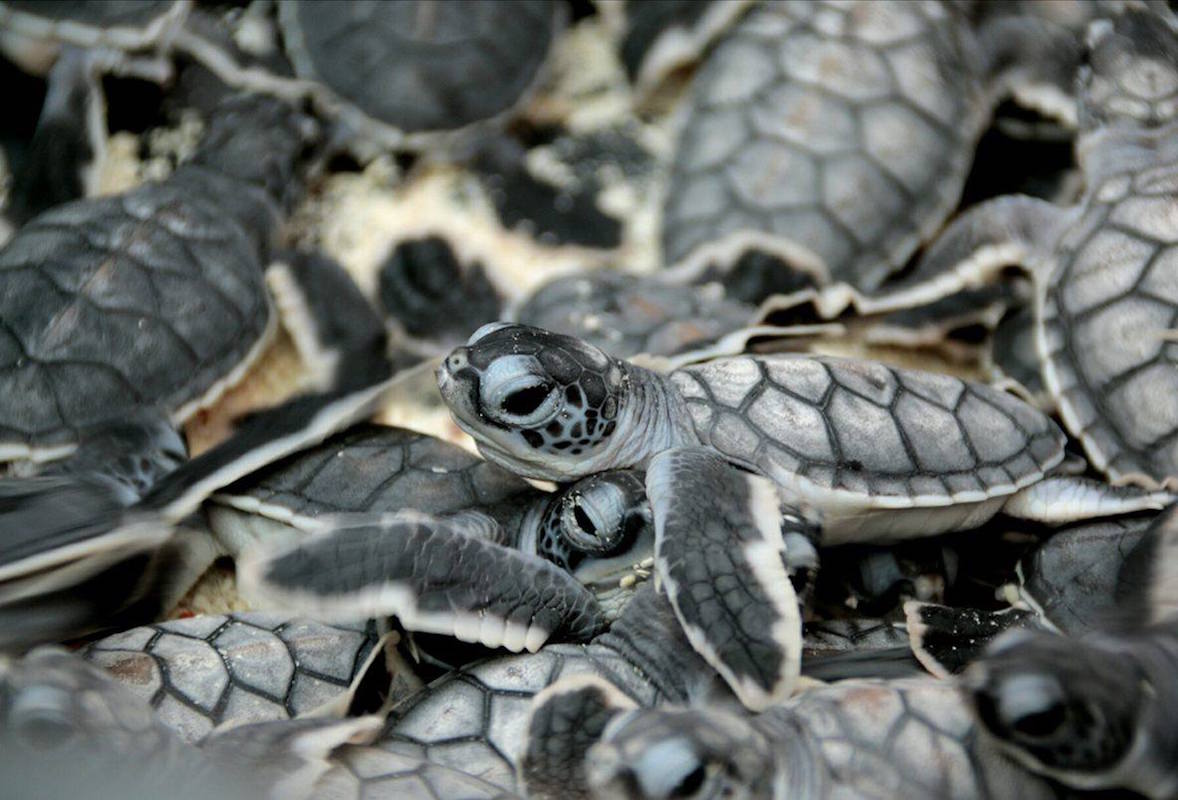
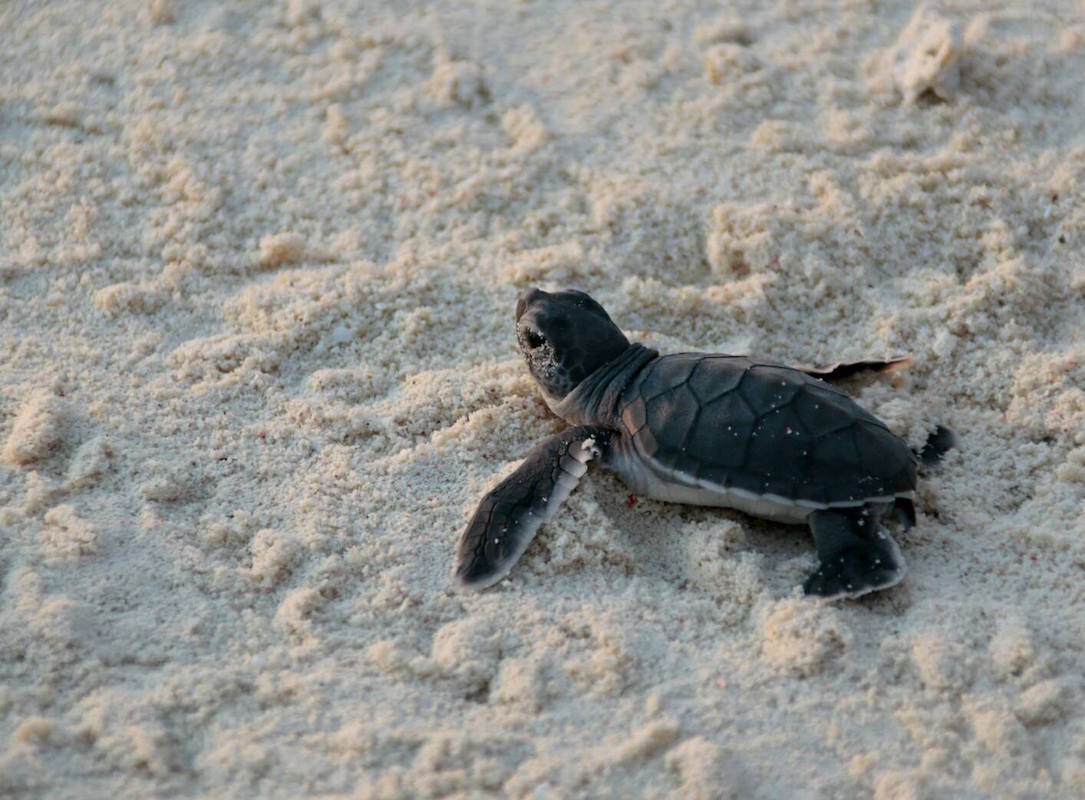
Hatchling sea turtles smaller than the palm of my hand, and cute enough to warm even the stormiest of hearts, tumble onto the beach. A line is drawn in the sand to keep spectators at a distance, and the hatchlings scurry down the beach attracted to the ocean by the light of the setting sun.  These tiny turtles are protected from the natural predators of land by our presence and poachers through our nightly turtle walks and eggs collection. Yet, even with our protection, the onset of a sea turtles life is fraught with obstacles and dangers. The short stretch of beach leading to the sea is difficult to navigate, footprints present themselves like craters to the hatchling, some of whom must momentarily rest before they struggle up what must be a mighty staircase to their small selves.

Once reaching the water their weight will reduce and the physical struggles of a creature made for the sea moving on land will
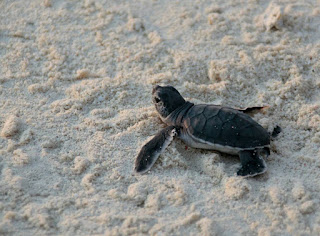
Photo by Lizz Fitt
diminish, but the danger of the ocean and its predators increases– so much so that only 1 in 1000 hatchling turtles will reach sexual maturity. Just offshore ocean predators wait, even from the beach a barracuda is seen lurking in the shallows.

The first task of a hatchling sea turtle is to find a raft of seaweed, which will provide a degree of shelter from harsh ocean conditions, and under which it can hide from predators. This refuge-giving raft also provides the fresh hatchlings a chance to rest and makes it easier for the little turtle to reach the oxygen it needs above the surface of the ocean. If it finds enough cover and has enough luck, baby sea turtles will float with the current in their seaweed raft feeding on smaller crustaceans and fish until the age of 5 or 6 and it is big enough to handle the open ocean. However, even at this adolescent stage the turtles are still small, roughly the size of a dinner plate, and subject to much predation. But if they survive the odds, Sea Turtles instinctively return to the beach on which they hatched when they reach sexual maturity at 35.

Photo by Lizz Fitt
Female turtles lay anywhere between roughly 250 - 700 eggs each of their season, meaning they will produce roughly 4 – 8 offspring throughout their life if they die by old age. For Pom Pom, with our many nesting turtles, and the many nests they lay, we estimate about 2000 eggs are laid each season – and we hope two more turtles from this seasons nesting will return to lay and fertilize eggs and make more hatchlings in 35 years.


We cannot protect out hatchlings from the perils of the ocean, but we can protect the eggs from the danger of poaching, and offer the hatchlings a chance to test their luck and survival in the ocean.


--------------------------------------------------------------

If you want to help with any marine conservation activity, please 
check our website http://tracc.org or e-mail info@tracc-borneo.org 


For more updates on TRACC check out our Facebook, Twitter or Google +


Reef conservation would not be possible without generous financial support from
GEF /SGP for Malaysia who are helping our community activities and coralreefcare.com who generously provided materials to build the new reefs.

If visits to Tracc are not possible then please help with financial support and follow their projects on Facebook.